Revolutionize Your Outdoor Setting: Professional Landscaping Guidance for an Exceptional Home Garden
Converting an exterior environment into a beautiful residential landscape involves strategic planning and conscious execution. By analyzing the unique features of a outdoor area, individuals can establish clear garden objectives. Picking plants that suited to the regional weather is crucial. Moreover, incorporating functional landscape features strengthens both attractiveness and usability. Still, the experience doesn't stop there. Learning to maintain visual appeal and ecological balance can elevate any landscape to the next level. Which tactics drive lasting success?
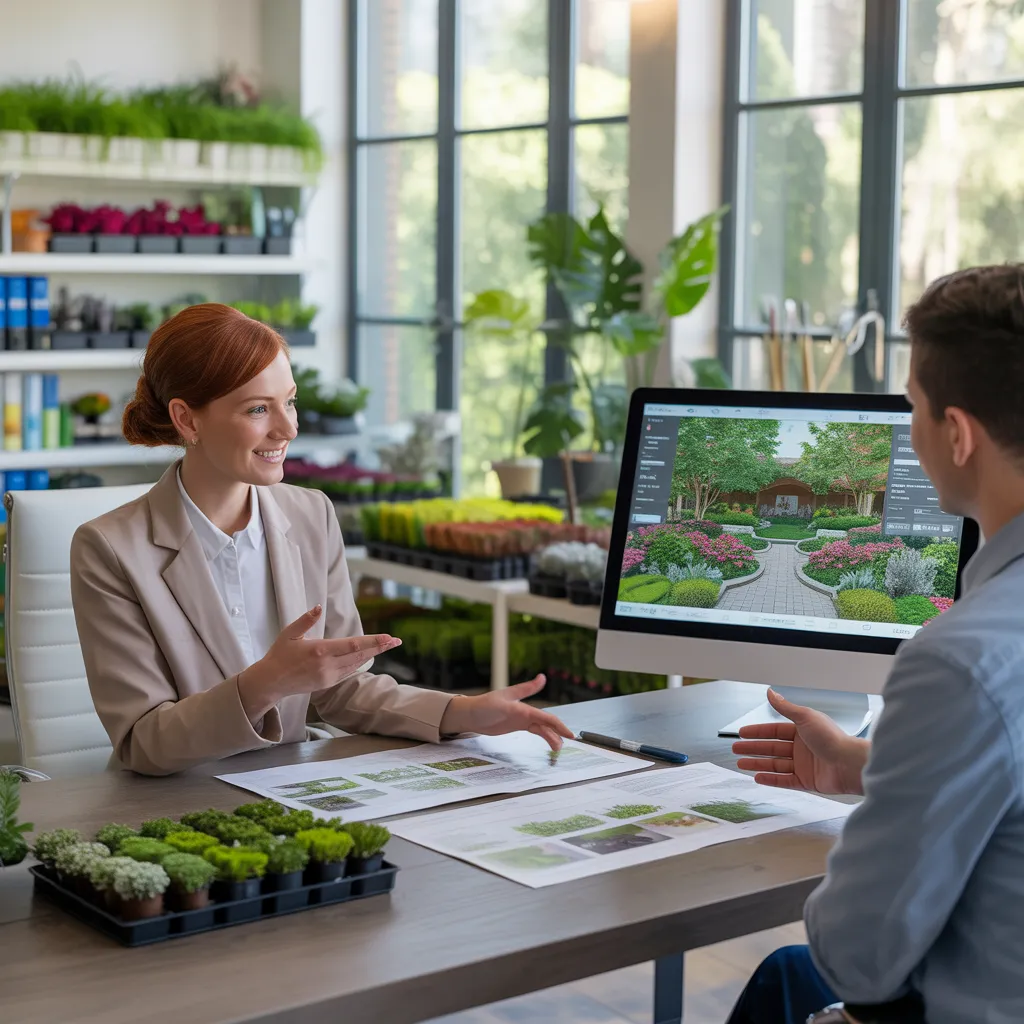
Evaluate Your Outdoor Area to Establish Your Garden Objectives
Before starting any landscaping effort, it is vital for homeowners to thoroughly assess their outdoor environment. This initial evaluation enables them to comprehend the specific features of their yard, including sun exposure, soil composition, and existing vegetation. Pinpointing these factors aids in determining what types of landscape and design features can be effectively integrated into the location.
Homeowners should record dimensions and document any obstacles such as vegetation, fences, or pathways that could affect the layout. Additionally, recognizing individual tastes and lifestyle needs—such as entertainment spaces, gardening, or leisure—can guide the landscaping goals. By clearly defining these objectives, homeowners establish a solid foundation for a cohesive and functional outdoor environment. This thoughtful assessment results in a greater and more rewarding landscaping project, ensuring that the outdoor space not only improves the home's aesthetic but additionally meets the practical needs of its residents.
Select the Best Plants for Your Local Climate
Choosing the ideal vegetation for a specific climate is vital for creating a flourishing exterior environment. Comprehending regional climate conditions, such as temperature ranges, precipitation, and moisture levels, helps homeowners choose vegetation that will thrive. Native plants often adapt best, requiring less upkeep and irrigation. For copyrightple, water-efficient plants are ideal for dry climates, whereas moisture-loving species thrive in humid climates.
Gardeners should additionally consider seasonal changes; choosing plants that provide year-round interest improves the garden. Spring-flowering plants, warm-season vegetation, and vibrant fall foliage can create a striking visual display. Additionally, consulting neighborhood nurseries or agricultural resources can provide valuable insights into durable vegetation adapted for specific conditions.
Finally, a well-planned vegetation arrangement improves not only visual appeal but additionally promotes local wildlife and advances environmental sustainability, making it a smart decision for every exterior area renovation.
Transform Your Garden With Functional Hardscaping Components
Functional hardscaping elements serve as essential components in structuring exterior environments and enhancing their usability. By integrating sitting zones and thoughtfully constructed walkways, homeowners can create appealing outdoor areas that encourage leisure and circulation. Additionally, borders can help delineate different zones within the garden, adding structure and visual interest.
Establish Your Garden Setting
Creating a well-organized outdoor space can renovate a yard into a pleasant sanctuary. One proven method to achieve this is through functional hardscaping elements, which provide organization and layout. Pathways made from brick or stone guide visitors while boosting visual appeal. Retaining barriers can form tiered levels, enhancing the garden's overall design and preventing soil degradation. Fencing or trellises can establish boundaries, providing privacy and a feeling of containment. Incorporating raised garden beds not only defines planting areas but also makes them more accessible. These elements function together to establish separate areas that improve both visual appeal and practicality. Ultimately, a thoroughly structured outdoor space fosters a serene environment where homeowners can relax and enjoy nature.
Integrate Seating Areas
Incorporating seating areas into an outdoor space greatly enhances its usability and appeal. By adding practical hardscape features, homeowners can establish welcoming areas for rest, gathering, or appreciating the outdoors. Choices range from benches, outdoor furniture, or hanging seats, each contributing to the garden's aesthetic and coziness. Strategically placing seating near key areas like garden displays or fountains, encourages users to engage with their environment. Additionally, selecting materials such as wood or stone can match the landscape's style, maintaining visual unity. Overhead coverings, such as pergolas or umbrellas, offer relief during hot seasons, making these areas usable year-round. Ultimately, expertly crafted sitting zones transform an ordinary garden into a pleasant sanctuary for loved ones and guests.
Establish Walkways And Borders
Pathways and borders are essential aspects in exterior design, leading people through your garden while reinforcing its structural value. These create organization and flow, aiding in the definition of distinct areas and plant selections. Stone, gravel, or brick materials can construct permanent walkways, whereas natural borders from shrubs or decorative barriers increase aesthetic quality. Pathways can facilitate investigation, showcasing key areas like flower displays or fountain features. Well-designed borders minimize invasive plants and ground erosion, promoting garden health. In summary, adding pathways and borders enhances usefulness and enhances stylistic beauty to your landscape, rendering areas more appealing and delightful.
Build Flow Using Pathways and Sitting Zones
A thoughtfully designed exterior area regularly showcases a cohesive circulation created through strategically arranged pathways and rest areas. Pathways lead people throughout the garden, developing a strong sense of navigation while improving the aesthetic appeal. Applying selections including gravel, stone, or wood can improve the path's beauty and support durability.
Seating areas provide rest points, inviting guests to pause and appreciate the surroundings. Strategically positioning seating near focal points, such as a fountain or a flower bed, encourages interaction with the landscape. The choice of seating—benches, chairs, or even hammocks—can influence the atmosphere, whether it be casual or formal.
Blending pathways and seating zones creates an appealing atmosphere, improving practicality and satisfaction. Used together, they form a fluid movement across multiple regions of the garden, inspiring wandering and peace, finally converting any outdoor location into a serene hideaway.
Infuse Your Garden With Seasonal Color and Texture
To strengthen the visual attractiveness of a landscape, deliberate curation of seasonal plantings is essential. Blending diverse textural characteristics can introduce layers and fascination, meanwhile deliberately arranged focal areas can command views and forge a balanced plan. Each feature together ensure a vibrant and dynamic garden environment during the entire year.
Choose Garden Plants by Season Wisely
Picking season-specific plants carefully can transform any garden into a vibrant tapestry of color and texture. By choosing plants that bloom at different times throughout the year, gardeners can pertinent information ensure a perpetual floral display. Spring flowers, summer color plants, autumn bloomers, and winter foliage plants each contribute unique hues and forms to the landscape. It is essential to take into account local climate conditions and soil types, as well as the plants' growth habits. Native species often thrive better and require less maintenance, enhancing biodiversity. Additionally, blending plants of assorted heights and flowering schedules can produce a striking visual impact. Ultimately, thoughtful selection fosters a landscape that transforms seasonally, offering a delightful experience year-round.
Develop Texture Combinations For Visual Depth
Building garden depth involves layering textures that complement and enhance seasonal color. By integrating diverse plant species with different leaf patterns, heights, and color schemes, one can achieve a visually dynamic landscape. For instance, the use of broad-leaved plants alongside fine-textured grasses can create contrast and intrigue. Additionally, including natural wood, pebbles, and organic components introduces tactile elements that enhance the complete garden experience. Seasonal blooms should be thoughtfully placed to offer color bursts across seasons, ensuring that each layer remains visually interesting. This thoughtful arrangement not only draws the eye across the garden but also develops an absorbing environment where every detail contributes to the garden's beauty and harmony.
Incorporate Focal Points With Intent
Artfully positioning primary visual elements can markedly enhance a garden's aesthetic appeal and seasonal vibrancy. These primary focal elements serve as anchors that draw the eye and create a cohesive design. Gardeners can utilize pieces such as monuments, decorative specimens, or striking beds to establish visual magnetism. Seasonal color can be infused through the careful selection of plants that bloom at different times, preserving the garden's energy throughout all seasons. Textures also factor significantly; combining smooth stone paths with rough bark or lush foliage adds depth. By thoughtfully placing these elements, a gardener can construct a hospitable setting that inspires investigation and admiration, transforming an outdoor space into an engaging retreat.
Adopt Eco-Friendly Approaches for a Thriving Garden
Adopting eco-friendly approaches is vital for nurturing a thriving garden that flourishes in sync with the natural world. Plant growers are urged to employ naturally-occurring vegetation, which demand less liquid and maintenance while boosting local creatures. Implementing chemical-free growing methods, including organic waste management and organic pest management, can substantially minimize chemical inputs, fostering a more vibrant natural community.
Water-efficient methods, including targeted watering systems and collecting rainwater, enhance sustainability by improving resource use. Using mulch layers conserves water additionally prevents weed growth, lowering the necessity for synthetic herbicides. Moreover, supporting plant variety by integrating multiple plant types encourages resilience to insects plus diseases.
Healthy soil is vital; practices like crop cycling and soil-covering plants preserve nutrient content minus synthetic fertilizers. By adopting such green approaches, horticulturists can build a flourishing area that nurtures plant life ecological balance, resulting in a greater horticultural experience.
Troubleshoot Standard Challenges for Year-Round Garden Aesthetics
A well-maintained outdoor space can experience various difficulties throughout the year, affecting its combined visual appeal plus health. Typical problems consist of pest infestations, lacking minerals, and water shortage. Identifying pests in advance is vital; horticulturists should consistently review foliage for signs of damage as well as handle infestations using natural pesticides alternatively introducing helpful insects.
Insufficient nutrients often show as yellowing leaves along with slow growth. Conducting soil copyrightinations can assist determine specific needs, enabling to enable focused fertilization Nutrient deficiencies often show as discolored leaves or slow growth. Doing soil tests can allow identify specific needs, allowing targeted nutrient application returning stability. Also, guaranteeing correct watering is important; over-irrigation can lead to root rot, whereas under-irrigation stresses growing things.
Weather transitions moreover demand changes to maintenance. In winter, mulching shields plant roots against frost, whereas warm months can call for additional water along with shade to protect fragile plants. By addressing such standard difficulties promptly
Should I Do Outdoor Work Independently or Bring in a Expert?
You can easily undertake garden work independently, making use of digital tools and personal innovation. Yet, engaging an expert provides proficiency, efficiency, and potentially superior results, particularly for complex designs or larger projects that need specialized skills.
What Essential Implements Are Necessary for Yard Landscaping?
Necessary tools for residential landscaping contain a leaf rake, garden shovel, shovel, trimming shears, fork, and a hose or water can. These items support productively handle ground, greenery, and overall garden maintenance, ensuring effective landscaping
What's the Proper Strategy to Keep My Yard Throughout the Calendar Year?
To maintain a yard throughout the year, one should routinely prune plants, use protective mulch for protection, watch hydration levels, and implement seasonal planting plans. Furthermore, pest prevention and fertilization are essential for flourishing, vibrant plants.
Comments on “Experienced El Cajon Top Landscaping Experts for Outdoor Living Projects”